
Salt Types for Canning Explained: What to Use
When you first start canning at home, you will probably come across a recipe that calls for canning salt or pickling salt. When I first started canning, I had no idea there was even a special salt for it, and I was already a professionally trained chef.
So if you have ever stood in the grocery store staring at sea salt, kosher salt, regular table salt, and canning salt, wondering what the difference is, you are not alone.

As a chef and homesteader, I use salt every day. It adds flavor, helps build a good brine, and plays an important role in many home food preservation methods. But when it comes to home canning, not all types of salt behave the same way.
Some salts dissolve better. Some leave you with a clear brine.
Others can make jars look cloudy or throw off measurements if you swap them out. Here is what to know before you reach for the salt.
Why Salt Matters in Canning
On the homestead, salt is one of those pantry staples that quietly does a lot of work. It seasons food, helps build pickle brine, and is still part of many traditional preserving methods.
But in home canning, salt does not always matter for the same reason people think it does. In many canning recipes, it is there for flavor. In others, like fermented foods, the right salt and the right amount matter much more.
Is Salt Required for Canning?
In most home canning recipes for vegetables, salt is optional. It is usually added for flavor and is not the main thing making the food shelf-stable.
Safe home canning depends on using a tested recipe, the right acidity, and the correct processing method and time.

That is good news if you are trying to lower sodium or simply ran out of canning salt and don’t feel like running to the store.
When Salt Matters More than Just for Flavor
Salt matters much more in fermented pickles and sauerkraut than it does in most canning recipes.
In fermented foods, the right salt concentration helps create the conditions needed for a successful fermentation, so that is not the place to casually reduce salt or swap out the type of salt.
Unless you have a proven method.
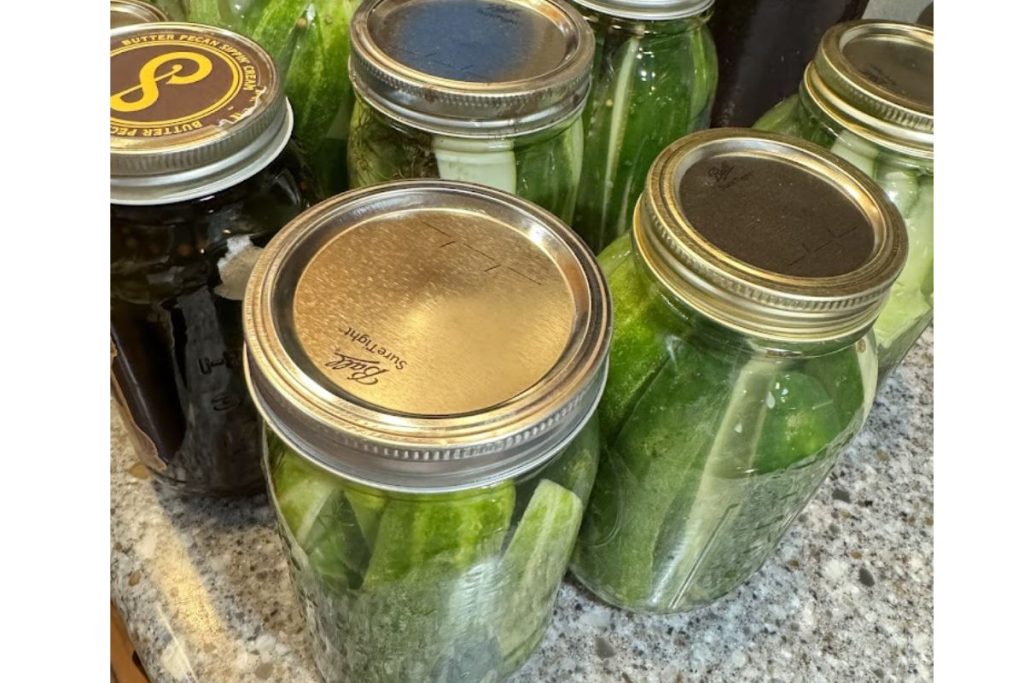
Canning salt, also called pickling salt, is a pure salt made from sodium chloride with no iodine and no anti-caking agent added. It is usually a fine-grain salt, so it dissolves quickly and helps give you a smooth, clear brine.
That clear brine is one of the biggest reasons so many home canners and master food preservers prefer this type of salt.
Why Canning Salt Is Popular for Home Canning
Canning salt is popular because it is simple and predictable. It is easy to measure, easy to dissolve, and it does not leave sediment or cloudy brine in the jar, the way some other salts can.
For anyone putting up pickles, peppers, or relishes from the garden, that alone makes it a good choice.
Canning Salt vs Table Salt
The main difference between canning salt and regular table salt is what else is added to it. Table salt often contains iodine and an anti-caking agent.

Those additives do not usually make the food unsafe, but they can make the brine cloudy and affect the colors of certain veggies.
That is why canning salt is usually the best choice when appearance matters, but I’m a homesteader, and appearance rarely matters to me! Maybe if I were selling the canned goods, I’d worry about it.
Can You Use Table Salt for Canning?
Yes, in many recipes you can use table salt.
National guidance says fermented and non-fermented pickles may be made safely with either iodized or non-iodized table salt, but the brine may turn cloudy because of non-caking materials.
So table salt can work, but if you want the best results and the clearest jars on your pantry shelf, canning salt or an organic pure salt is the best to use.
Canning Salt vs Kosher Salt
Kosher salt is a little trickier. Some brands are just pure salt, while others may contain anti-caking ingredients.
The bigger issue is the crystal size.
Kosher salt crystals are usually larger than fine canning salt, which means the amount of kosher salt in a tablespoon can vary depending on the brand.
So this is not always an easy tablespoon-for-tablespoon substitute.
Is Kosher Salt Safe for Canning?
Kosher salt can work in some canning and pickling recipes, especially if the ingredient list is just salt.
But for fermented foods and brines where salt concentration matters, it is smarter to measure by weight or stick with the exact type of salt called for in the recipe.
Extension guidance also notes that kosher salt is not usually recommended unless the recipe specifically calls for it.
Why Crystal Size and Additives Matter
This is where many home canners get tripped up. Different grain sizes mean different densities, so a cup of one salt may not equal a cup of another.

Additives and mineral content can also change how your finished jars look.
That is why the right salt matters more in a pickle brine than it does when you are just seasoning with salt.
Can You Use Sea Salt or Pink Salt for Canning?
Sea salt and Himalayan salt can look appealing, especially if you already keep them in your kitchen for everyday cooking.
But these salts may contain trace minerals that can leave sediment in the jar, create a cloudy brine, or discolor vegetables.
Their crystal size can also vary, which makes substitutions less exact.
Best Salt for Pickling and Fermented Foods
If you are making pickles, sauerkraut, or other fermented foods on the homestead, the best salt is usually pickling salt or another additive-free, fine-grain salt that matches the recipe well.

It gives you predictable salt concentration, dissolves easily, and helps keep your jars looking clean and clear.
When I am putting up food from the garden, I usually grab a salt that I know is free from additives and pure.
Can You Substitute One Salt for Another?
Sometimes, yes. In many non-fermented recipes, you can substitute another pure salt if you understand that the texture, density, and mineral content may be different. The safest way is to measure by weight, not by volume, when using a different type of salt.
But in fermented pickles and sauerkraut, do not change the type of salt, as it will affect the salt concentration. You can do this if you understand home fermentation and PH levels.
Why Salt Substitutions Can Be Tricky
Salt substitutions get tricky because not all salts measure the same.
Larger crystals leave more air space, so the actual amount of salt may be lower than you think if you use the same spoon or cup measure.
This makes a larger difference in fermentation, where the proper ratio helps support the right kind of bacteria and prevents harmful bacteria from developing.
The Safest Way is to Follow the Canning Recipe
If you want the best final product, follow the canning recipe exactly as written the first time. That is especially true for fermented foods, where the right salt concentration matters more.
Once you understand how a recipe behaves, you can make careful adjustments to recipes.
When it comes to filling a pantry on the homestead, simple, safe, and predictable usually wins.
Salt Types I use for Canning
With all the different salt types at the grocery store, it is easy to overthink this.
The short version is this: for most home canning, canning salt is the best choice because it is pure, fine, and gives you a clear brine.
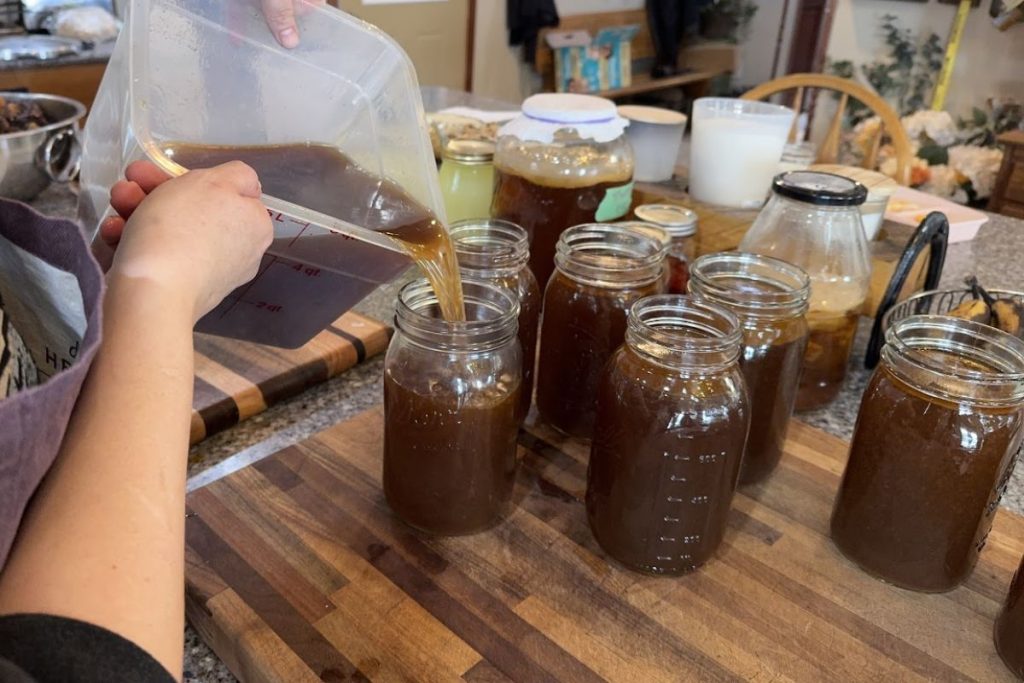
Table salt can work, but it may leave jars cloudy.
Kosher, sea, and pink salts can be used, but they are less predictable because of crystal size, additives, or mineral content. But if those issues do not concern you, feel free to try the salts out and find your favorite.
On our homestead
I like ingredients that do their job well. Canning salt is usually found in my pantry, and when it’s gone, I use Kosher salt as an easy replacement.
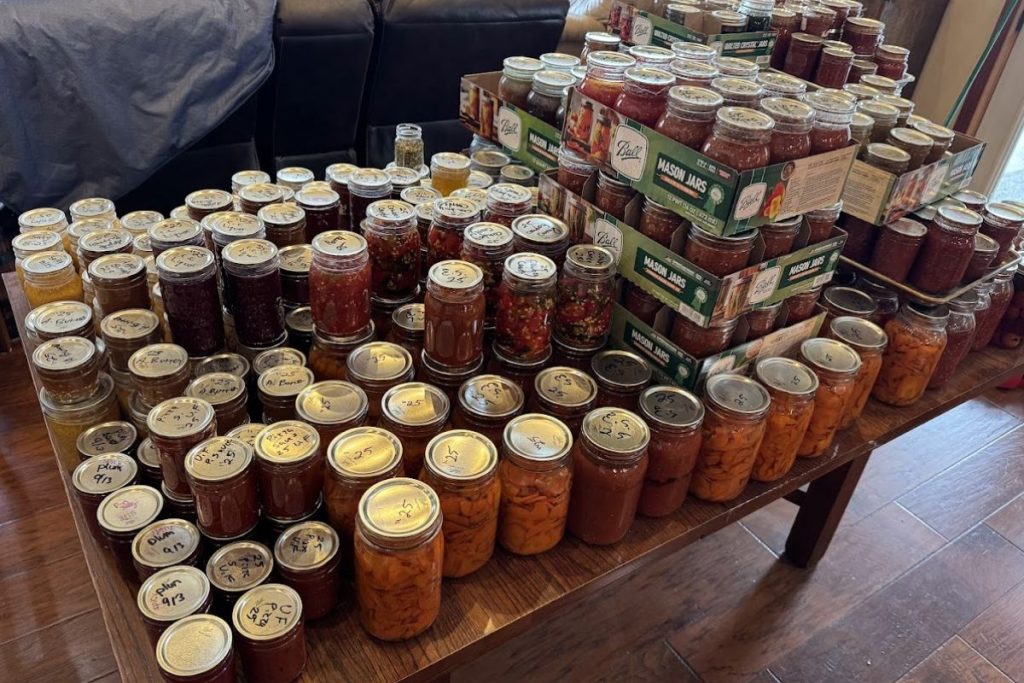
So don’t stress out over the type of salt used when canning items without a brine; the salt is just there as a flavor enhancer.
But when it comes to the type of salt used in pickles and fermented foods, pay close attention to the variety and type of salt you are using.
New to home preservation, here are some helpful articles to help you get started on the journey.
- Canning supplies on a budget, canning doesn’t have to be expensive.
- Pressure canning safety: How to prevent common misunderstandings about pressure canning.
- Can you use vintage and used canning jars? , wondering if those old jars in the basement are good to use, read this.
- Some easy recipes to get started canning, Pressure canning sweet corn, and easy ways to pressure can green beans.
